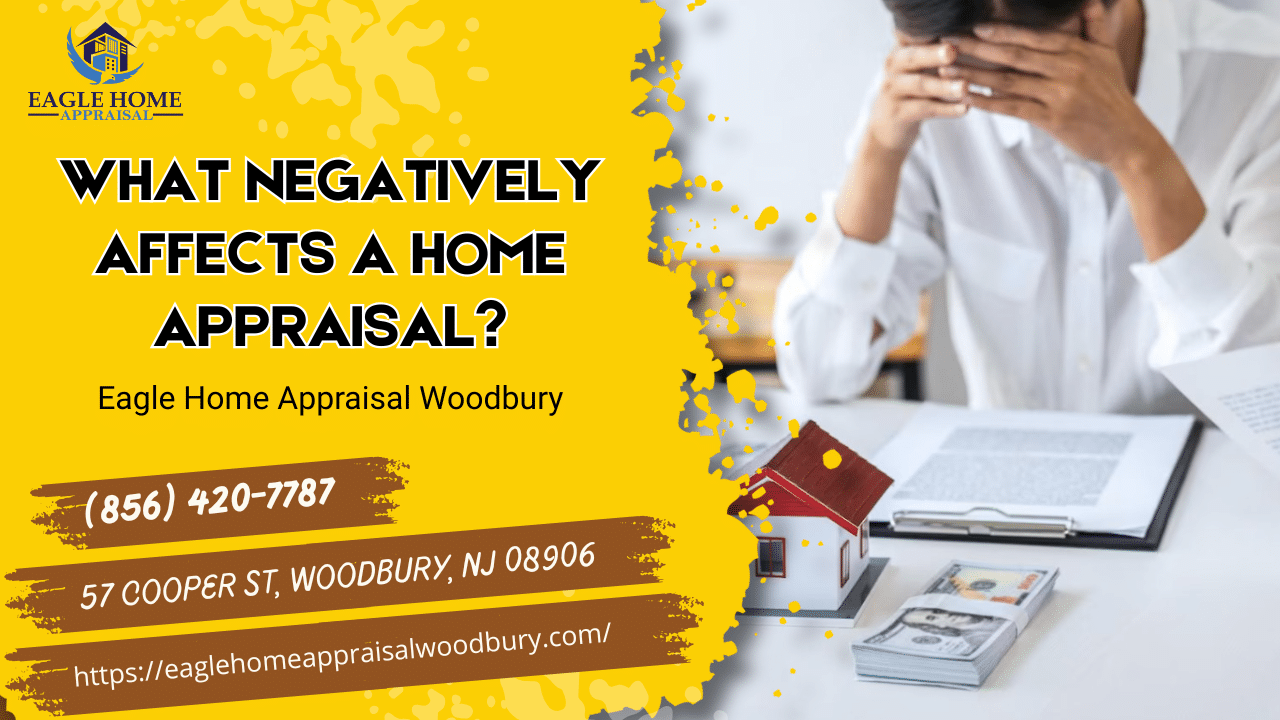
What Negatively Affects A Home Appraisal?
Several issues can lower a home’s appraised value, ranging from property condition to external influences. Below are the most common factors that negatively impact a home appraisal:
Outdated or Poor Condition of Systems and Interiors
- Outdated appliances, plumbing, electrical, and HVAC systems can decrease a property’s value. Dated interiors or finishes may signal poor maintenance and raise concerns about hidden issues.
- Worn or damaged construction materials, such as old windows, doors, roof tiles, or siding, can also lower value.
Deferred Maintenance and Structural Issues
- Signs of neglect, such as peeling paint, mold, or deferred maintenance on critical systems, make a home less appealing and can lead to a lower appraisal.
- Structural or foundation problems, including cracks or instability, are major red flags for appraisers.
Pest Damage or Infestation
- Evidence of pests, especially termites or carpenter ants, can significantly reduce a home’s value due to the potential for lasting structural damage.
Location and External Factors
- Homes in less desirable locations—such as those with high crime rates, low-rated schools, proximity to noise (freeways, airports), or unattractive landscapes (factories, landfills)—are often appraised lower.
- Environmental hazards, such as flood zones, air pollution, or chemical exposure, also negatively affect value.
Curb Appeal and Exterior Maintenance
- Poorly maintained exteriors, overgrown landscaping, visible roof damage, or cracked driveways can reduce curb appeal and thus the appraised value.
Clutter, Cleanliness, and Odors
- Extreme clutter, signs of neglect, or foul odors (like cigarette smoke or pervasive pet smells) can negatively impact an appraisal, especially if they indicate deeper issues or hinder the appraiser’s ability to inspect the property.
- While minor messes typically don’t affect value, severe cleanliness issues can.
Unpermitted Additions or Renovations
- Additions or renovations completed without proper permits can be a red flag, as they may not meet building codes and could complicate future sales or insurance claims.
Poor or Unusual Floor Plan
- A poorly designed or highly personalized floor plan, such as awkward room layouts or unfinished spaces, can decrease value.
Age of the Home
- Older homes may appraise for less due to wear and tear, outdated systems, and the likelihood of needing more repairs or upgrades.
Market and Comparable Sales
- If the local market is declining or there are few comparable sales, especially for unique or rural properties, appraisers may assign a lower value due to uncertainty.
Other Factors
- Fewer bedrooms and bathrooms than comparable homes in the area.
- Negative home history, such as previous crimes or disasters, can also impact value.
Summary Table: Common Negative Appraisal Factors
| Factor | Impact on Appraisal Value |
| Outdated systems/interiors | Decreases value |
| Deferred maintenance | Decreases value |
| Structural/pest issues | Decreases value |
| Poor location/environment | Decreases value |
| Poor curb appeal/exterior | Decreases value |
| Clutter/cleanliness/odors | Decreases value (if severe) |
| Unpermitted renovations | Decreases value |
| Poor floor plan | Decreases value |
| Home age | Decreases value (if not updated) |
| Weak market/comparables | Increases risk of lower value |
Addressing these issues before an appraisal can help maximize your home’s appraised value and avoid surprises during the selling or refinancing process.
Real Estate Appraisal
Professional real estate appraisals provide objective property valuations crucial for buyers, sellers, and lenders. Understanding negative factors like deferred maintenance, structural issues, and poor curb appeal helps homeowners prepare strategically. Expert appraisers evaluate comparable sales, location desirability, and property condition to determine fair market value. Addressing potential red flags before appraisal ensures accurate assessments and smoother transactions in today’s competitive market.


Comments are closed